

.png)
.png)
.png)
.png)
.png)
.jpg)
.jpg)
.png)
.png)
.png)

ISO 27001 Certified

GDPR Compliant
.png)
Family Office Investment Reporting Template [Free Download]
This free investment reporting template helps family offices define what goes into each reporting pack, how each metric is calculated, who owns each section, and when each output is delivered. Where different audiences require different views, note those separately. The download includes guidance on performance methodology selection, including when TWR, IRR, DPI, TVPI, RVPI, yield, or other measures may be appropriate by asset type and reporting purpose. Draft a solid first version in three short sessions.
“Over the years we’ve invested significantly in our field data team - focusing on producing trusted ratings. While this ensures the accuracy of our Ratings, it doesn’t allow the scale across the thousands of projects that buyers are considering.”

For more information on carbon credit procurement trends, read our "Key Takeaways for 2025" article. We share five, data-backed tips to improve your procurement strategy.

One more thing: Connect to Supply customers also get access to the rest of Sylvera's tools. That means you can easily see project ratings and evaluate an individual project's strengths, procure quality carbon credits, and even monitor project activity (particularly if you’ve invested at the pre-issuance stage.)
Book a free demo of Sylvera to see our platform's procurement and reporting features in action.
Family offices often have the right information, but not in one consistent reporting format. Positions may come from one or more custodians or portfolio systems, cash from bank or treasury sources, private asset updates from manager letters, administrator statements, or company finance teams.
That makes it harder to compare one report to the next, spot changes across the investment portfolio, and help ensure each approved audience receives a consistent, controlled view based on the same underlying data and methods. A fillable investment reporting template helps standardise format before the next review cycle starts, but it should sit alongside clear data, valuation, and review controls.
It gives you a practical way to set scope, define methods, and keep commentary, supporting data, and source details in one place. The result is more clarity, faster review, and fewer last-minute questions.
For teams refining their reporting process, these family office reporting best practices can help set a more consistent baseline.
An investment reporting template standardises what is reported, how it is calculated, who owns each section, and when it is delivered. It complements your Investment Policy Statement, advisory or management agreements, OCIO engagement letters, and internal governance documents (where those exist). Binding terms remain in those documents.
A good template should help you capture:
Legal terms live in your engagement letter and other signed documents.
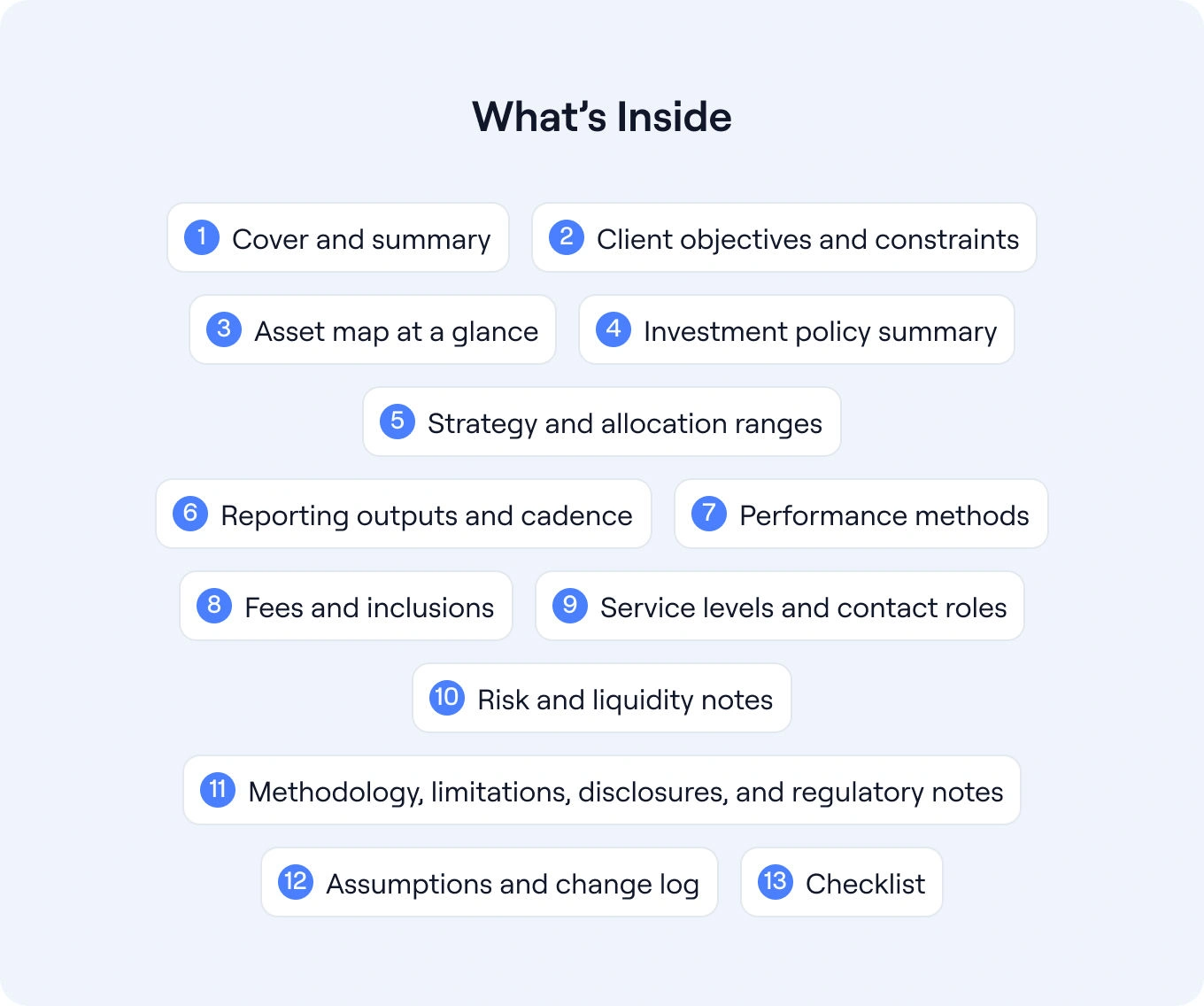
This download is more than a blank report template. It gives family offices a practical structure they can customize, reuse by period, and export. Examples of what it includes:
A useful investment analysis report template should show more than balances at month-end. It should show how the portfolio is performing, what changed, what the reader should notice, and what happens next.
Public markets may include holdings, allocation, benchmark or reference comparison, where relevant, performance, attribution where available, and charts that support decision-making.
Private assets should show the latest valuation source, valuation date, valuation period covered, cost/called capital where relevant, commitments, unfunded amounts, distributions, and commentary on material developments or valuation lag.
Cash and FX sections should capture balances, flows, settlement timing, restricted cash if any, currency exposure, hedge positions where relevant, and material upcoming uses of liquidity.
Fees should also be handled clearly. Decide whether the investment performance report includes explicit costs, estimated embedded fund fees, or both. If fee lines are included, state whether performance is shown gross or net of fees.
Calculation methods should be stated directly. If you use time-weighted return, say so. If IRR is used for private assets or other cash-flow-heavy holdings, state why it is used, over what period, what cash flows are included, and whether supplementary measures such as DPI, TVPI, RVPI, PME, or vintage-year context are also shown.
Data freshness should be described as timely rather than real-time. That sets more accurate expectations around valuation cut-offs, manager reporting delays, and administrator timing. Asora’s approved product language also uses “timely” or “COB updates,” not “real-time.”
Supporting evidence should be easy to locate for approved reviewers, with access controls appropriate to the audience and document sensitivity. Link the underlying document set — statements, manager letters, capital account notices, appraisals, and any memo used to support the report. That makes later review, follow-up, and sign-off much easier.
Commentary should stay tight and useful. A simple structure works well:
That format is a good base, but commentary depth, terminology, and metrics should be tailored by audience, for example, principals, CFO/COO, investment committee, or external advisors.
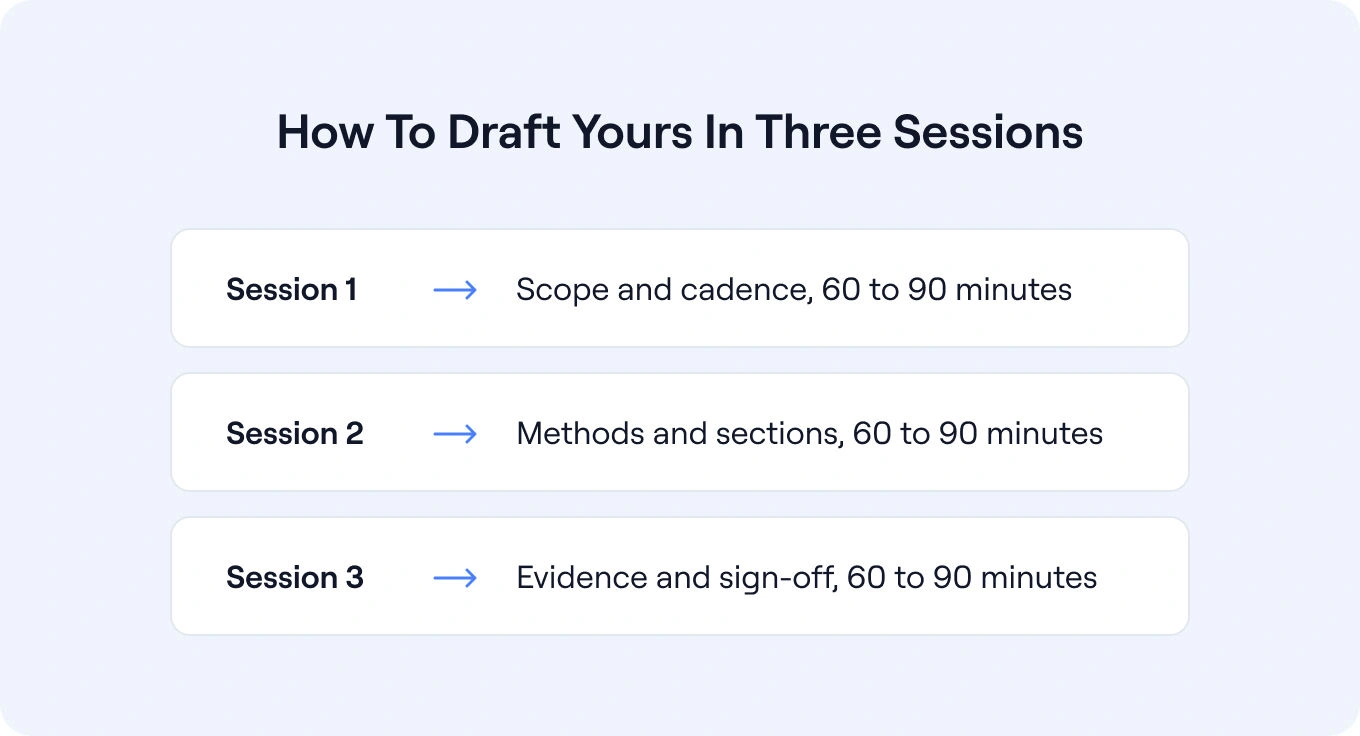
You do not need a long project to build a usable investment reporting template. For a simpler, mostly liquid portfolio, many teams can draft a first version in three short working sessions. Multi-entity, alternative-heavy, or cross-border portfolios usually need additional iteration.
Set aside 60–90 minutes to define the basics.
Select who receives each report, what gets included, how often it is sent, who owns each section, and when drafts are due. This is the right time to answer the practical questions that usually slow down reporting later.
Set aside another 60–90 minutes to define the reporting method.
Document TWR and IRR plus valuation policy, stale-price handling, FX translation method, accrual treatment, consolidation logic, and the level at which performance is calculated. This is also where you decide which types of information to add to the standard pack and which to keep in supporting files.
Use the final 60–90 minutes to make the template operational.
In the final step, you should link source files, define the distribution process, confirm the review workflow, and update the change log. Then export the draft to a version-controlled PDF or approved presentation format so the intended reviewers are working from the same version.
A few habits make the template easier to keep current:
A month after rollout, the template should already make reporting easier to run.
Good signs include:
You should also see better consistency from one report to the next. That gives readers a clearer line of sight into performance, fees, risks, and notable trends, while giving the reporting team a more repeatable process.
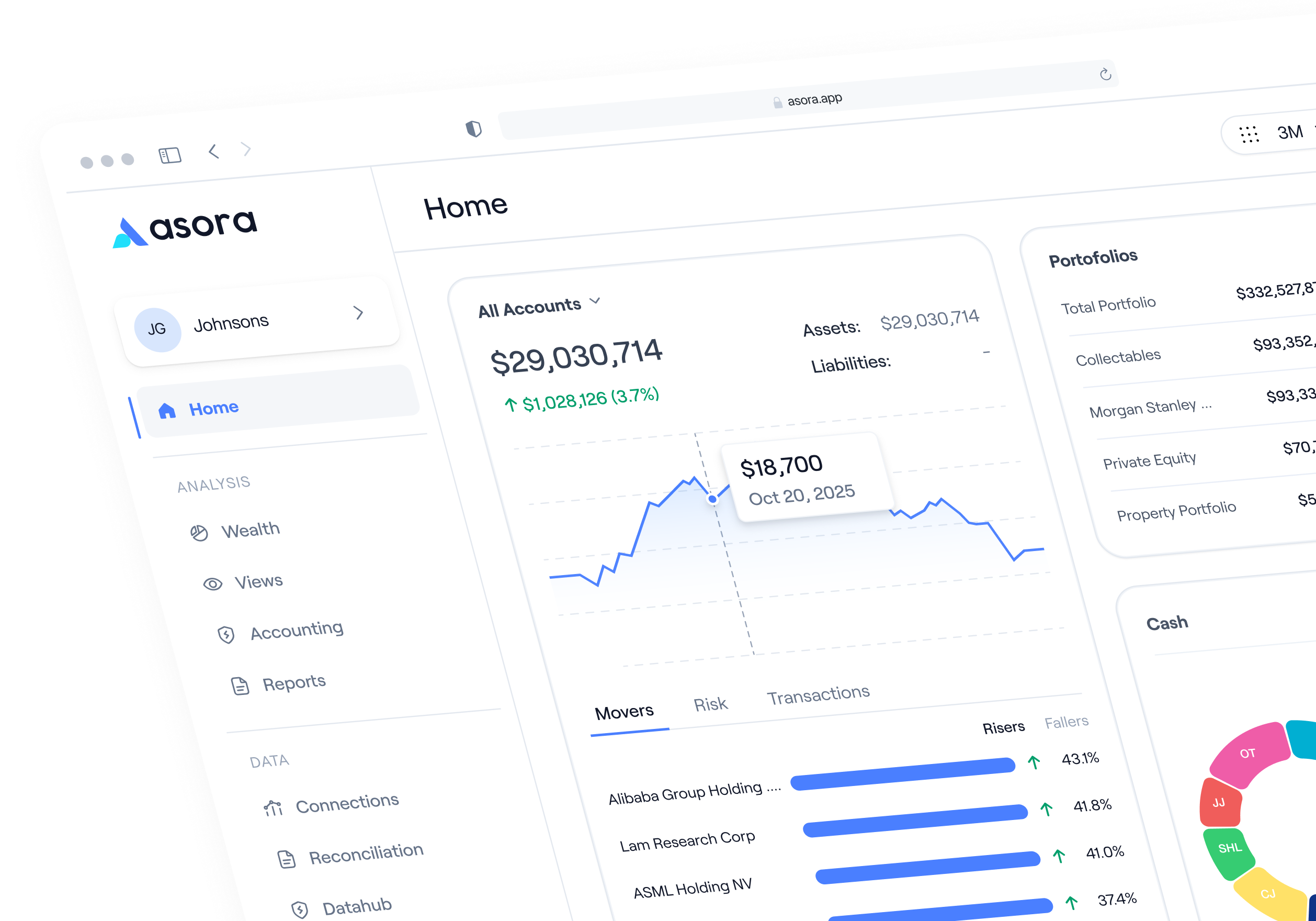
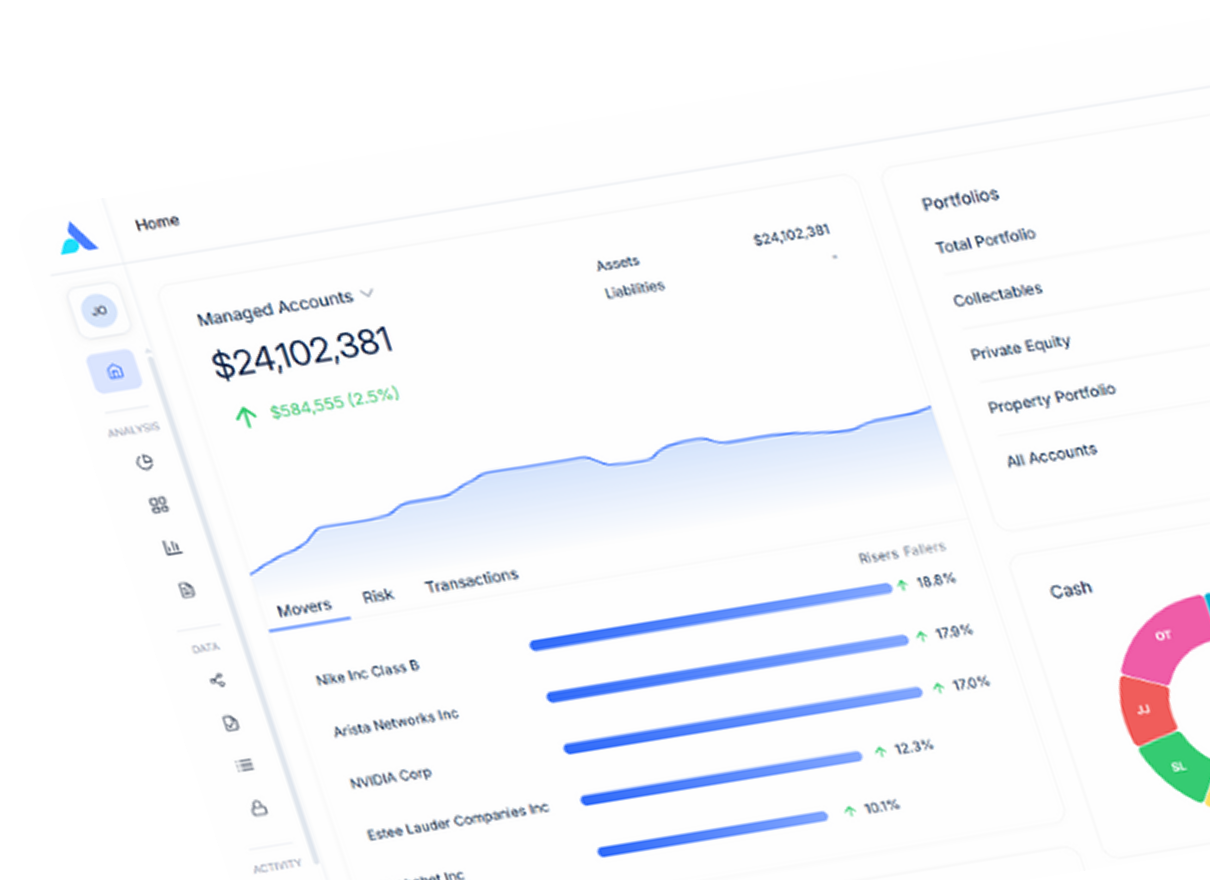
Asora supports the parts of this process that benefit most from being live, connected, and easy to maintain in-platform. Use Data Aggregation and source ingestion workflows to collect timely positions where available, recognising that some private or bespoke assets may still require manual review, mapping, or approval. Use Performance Monitoring to calculate TWR and IRR, Private Assets functionality tomaintain a private assets register covering holdings, vehicles, commitments, capital activity, source valuations, and internal notes, without replacing formal valuation or appraisal processes, Documents to link supporting evidence, Workflows to manage tasks and track deal pipeline, and Wealth Map to visualize entity and ownership structures for reporting purposes.
That means much of the information captured in this template can also be managed directly in Asora, with the advantage that you are not returning to a static file each time data changes. Instead, the underlying data stays updated in the platform and is easier to review on an ongoing basis. That is one of the practical benefits of using family office software instead of returning to a static file each time data changes.
A few boundaries are worth noting: approvals and reconciliations still sit within your external process, data should be treated as timely rather than real-time, and dashboards are not role-based.
If you are comparing platforms after documenting your process, see our guide to the best family office software.
An investment reporting template is a repeatable format for showing what is in the portfolio, how results are calculated, what period the report covers, who owns each section, and when the report is delivered. It helps family offices keep method, commentary, sources, and disclosures consistent from one review cycle to the next.
A good investment performance report template should include scope, valuation cut-off timing, benchmark method, performance method, fee treatment, commentary, and supporting source references, plus intended audience, entity scope, asset-class coverage, base currency and FX method, tax treatment where relevant, and whether figures are preliminary or final. It should also say whether returns are shown gross or net, how TWR and IRR are used, and which data source is used for each asset type.
An investment reporting template defines the structure of the full report: holdings, cash, risk, fees, commentary, disclosures, and recipients. An investment analysis report template goes deeper into interpretation. It helps explain drivers of change, assess performance, flag risks, and show what matters for the next decision.
Asora fits once you want to move from a static template, spreadsheet, or manually updated document to a more connected reporting process. It supports timely data aggregation, performance calculations, private asset registers, document linking, and workflow support across the portfolio. It does not replace signed agreements, approvals, or reconciliations, but it can make ongoing reporting easier to maintain.
Tips: use standard financial labels, attach valuation notes or appraisals, and set a monthly reminder to keep data current. If you work with spreadsheets, keep it as a working file and copy values into the document for a clean presentation.
Complete the fields, then export or print the net worth statement template for banks or for diligence.

An investment reporting template is a repeatable format for showing what is in the portfolio, how results are calculated, what period the report covers, who owns each section, and when the report is delivered. It helps family offices keep method, commentary, sources, and disclosures consistent from one review cycle to the next.
A good investment performance report template should include scope, valuation cut-off timing, benchmark method, performance method, fee treatment, commentary, and supporting source references, plus intended audience, entity scope, asset-class coverage, base currency and FX method, tax treatment where relevant, and whether figures are preliminary or final. It should also say whether returns are shown gross or net, how TWR and IRR are used, and which data source is used for each asset type.
An investment reporting template defines the structure of the full report: holdings, cash, risk, fees, commentary, disclosures, and recipients. An investment analysis report template goes deeper into interpretation. It helps explain drivers of change, assess performance, flag risks, and show what matters for the next decision.
Asora fits once you want to move from a static template, spreadsheet, or manually updated document to a more connected reporting process. It supports timely data aggregation, performance calculations, private asset registers, document linking, and workflow support across the portfolio. It does not replace signed agreements, approvals, or reconciliations, but it can make ongoing reporting easier to maintain.