

TL;DR
A liquidity event can partially or fully convert private ownership into cash and/or tradable securities (often with restrictions such as lock-ups, escrows, or rollover equity. Family offices need operational infrastructure to handle the complexity: reconciling and allocating proceeds across entities and accounts, tracking escrows and earn-outs, linking deal documents to positions, and maintaining clean reporting through lockups and staged closings.
The Family Office Playbook for Liquidity Events
Your family built wealth through a private company. Now you're approaching a significant milestone: a liquidity event that converts illiquid equity into cash or publicly traded stock.
Maybe it's an initial public offering (IPO) taking the company public. Perhaps an acquiring company made an offer for your company. Maybe early investors want liquidity through secondary market transactions.
Whatever the trigger, this liquidity event strategy represents both opportunity and operational complexity.
The financial future looks different after a liquidity event. You may move from a concentrated private position to managing a substantially larger pool of liquid and semi-liquid assets (cash, restricted stock, escrow balances. You're tracking lock-up periods on public stock. You need to make informed decisions about reinvestment while minimizing tax liabilities.
Most families focus on deal terms, such as the company's valuation, financial structure, and timing. That's critical. But successful liquidity event execution requires operational readiness:
- Clean cap tables
- Organized documents
- Cash flow forecasting
- Reporting infrastructure
This playbook walks through understanding the most common liquidity events, preparing your operational foundation, and stabilizing family office operations post-transaction.
What Is a Liquidity Event?
A liquidity event is when ownership in a private asset or equity stake converts into cash or publicly traded shares. It’s the moment families move from concentrated equity to liquid capital, and operations need to keep up (tracking what you own, when you can sell, and what to do next).
Understanding liquidity events requires grasping three key elements:
- Triggers: Company sales where one company purchases another. An IPO listing of shares on a stock exchange. Secondary-market transactions in which existing shareholders sell to new investors. Direct listings allow private company shares to trade publicly without the traditional IPO process.
- Consideration mix: Pure cash deals are simplest. Stock-for-stock exchanges create ongoing exposure to the acquiring company or publicly traded entity. A mixed consideration (60% cash, 40% stock) requires tracking both components, which have different tax implications and liquidity profiles.
- Timing windows: IPOs lock-ups are commonly ~180 days from pricing/listing, though terms vary and may include early-release provisions. Escrows/holdbacks can range from low single digits to ~10%+ depending on risk allocation and whether R&W insurance is used; release timing commonly ranges from ~6–24 months. Earn-outs tie additional payments to the company's performance post-close. Each requires separate tracking.
Why Plan a Liquidity Event Now
Waiting until the deal signing creates unnecessary stress. Three factors make advance planning essential:
- Proceeds complexity: Your concentrated ownership stake converts into multiple new positions. Cash lands in escrow accounts, operating accounts, and new investment accounts. Stock consideration is typically defined by an exchange ratio or pricing formula (e.g., VWAP-based), with the final share count and value determined at closing per the agreement. Holdbacks are released quarterly. Without systems tracking each component, you're managing complexity in spreadsheets when you can least afford errors.
- Cross-border considerations: If the private company operates internationally or the acquiring company is foreign, proceeds flow through multiple currencies. You need a foreign exchange (FX) translation that shows home-currency views for boards and advisors.
- Time-sensitive decisions: Deal timelines compress dramatically. The SPA should be reviewed quickly, and key approvals may be needed on short notice. Tax advisors want basis documentation for capital gains tax calculations. These decisions happen quickly, and you need documents and data to be immediately accessible.
Setting up infrastructure means timely updates of transactions, documents linked to positions (SPAs next to affected securities), and saved views showing pre-close positions, at-close conversions, and post-close allocations.
6 Types of Liquidity Events
Here are the most common paths from private ownership to liquid capital. Use this list to clarify what’s being sold, what you’re paid in (cash or stock), and the timing windows you’ll need to track (lockups, escrows, earn-outs).
1. Initial Public Offering (IPO)
An initial public offering lists a private company's shares on a stock exchange, allowing existing shareholders to eventually sell to public market investors. Lock-up periods typically prevent early investors from selling for ~180 days post-listing.
Working Practices
Track restricted shares separately. Monitor lock-up expiration dates. Calculate unrealized gains as prices move during lock-up. Link IPO documents (S-1 filing, lockup agreements) to holdings. Document hygiene matters. Expect detailed cap table and option-grant checks. Keep filings and lockup agreements linked to positions.
2. Direct Listing
A direct listing allows existing shareholders to sell shares directly on an exchange without a traditional IPO bookbuild. In some markets (including the United States), direct listings can now include primary capital raises. Confirm whether your transaction involves a new share issuance that could affect dilution.
Working Practices
Direct listings can enable earlier tradability for existing shareholders, but insider restrictions and market liquidity still apply. Track acquisition dates carefully and link equity-plan documents and 409A valuations to support cost-basis calculations. Tax treatment is jurisdiction-dependent and complex, as instrument type (ISO, NSO, RSU, ESPP), elections such as 83(b), and QSBS status can change outcomes. For US taxpayers, shares held more than one year may qualify for long-term capital gains treatment, subject to equity-compensation rules and individual circumstances.
3. SPAC Merger
A Special Purpose Acquisition Company (SPAC) merger involves a publicly traded shell company combining with your private company. SPAC mergers often involve exchange ratios plus redemptions, PIPE financing, sponsor economics, and lock-up/earnout mechanics. Earnout provisions might grant additional shares if the company's performance hits targets.
Working Practices
Track initial share conversion, cash consideration, escrowed shares, and earnout shares separately. Store merger agreements, earnout terms, and lock-up provisions linked to positions. Timeline management is essential because deals are announced months before closing, while you watch the SPAC price fluctuate.
4. Mergers and Acquisitions (M&A)
Mergers and acquisitions are direct transactions in which one company purchases another, or two companies combine. All-cash deals are the simplest. All-stock deals maintain equity exposure in a different entity. Mixed deals require tracking both components with different tax treatment.
Working Practices
Map how proceeds flow through your entity structure. Track escrows (10–20% held for 12–24 months) and earn-outs (payments tied to post-close performance) separately. Link purchase agreements, escrow agreements, and earn-out provisions to holdings.
5. Secondary Transactions
Secondary transactions allow existing shareholders to sell a portion of their ownership stake before a full liquidity event. Company-led tender offers facilitate employee and investor sales. Bilateral secondaries involve individual shareholders arranging sales to specific potential buyers.
Working Practices
Review shareholders' agreements for approval requirements. Track transactions from agreement through funding. Maintain clear records of shares sold, price per share, settlement date, and resulting cost basis adjustments for remaining positions.
6. Dividend Recapitalization and Share Buyback
Dividend recapitalizations use debt to fund special distributions while maintaining ownership, and share buybacks allow the company to repurchase shares at specified prices.
Practical Considerations
Tax outcomes vary by entity type and jurisdiction and by how the transaction is structured, with proceeds potentially treated as a dividend, a return of capital, or a sale or exchange. Track the structure, tax characterization, and any basis and holding-period impacts with your advisors. Link tax opinions and supporting documents, record expected timing and amounts, and maintain lot-level fidelity for basis adjustments and proceeds reporting.
12 Steps to Get Liquidity Event-Ready
Use this 12-step checklist to turn deal uncertainty into an operating plan. Assign owners and deadlines, centralize documents and data, and be ready to act when timelines compress.
1. One Source of Truth
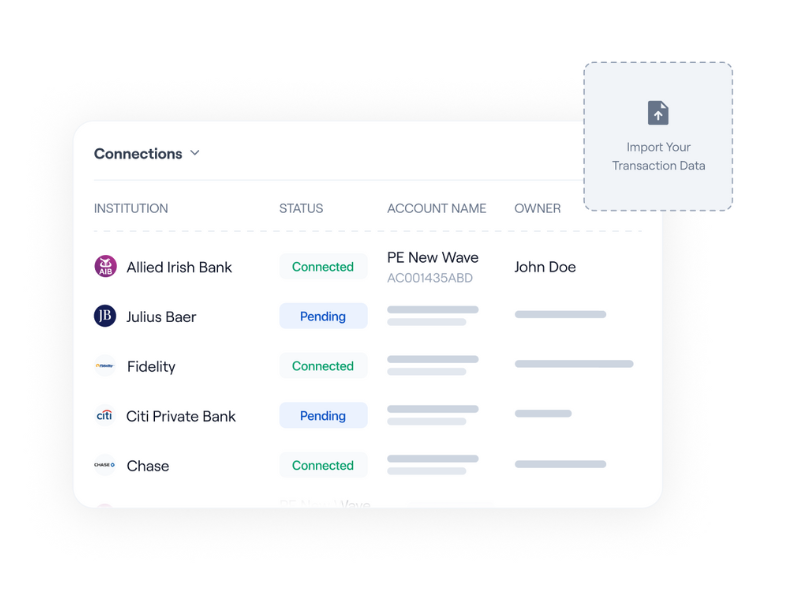
Build the baseline. Aggregate all bank and custodian feeds into one platform. Automated data aggregation means transactions flow automatically: stock purchases, sales, dividend income, fees, and equity compensation (option exercises, restricted stock vesting).
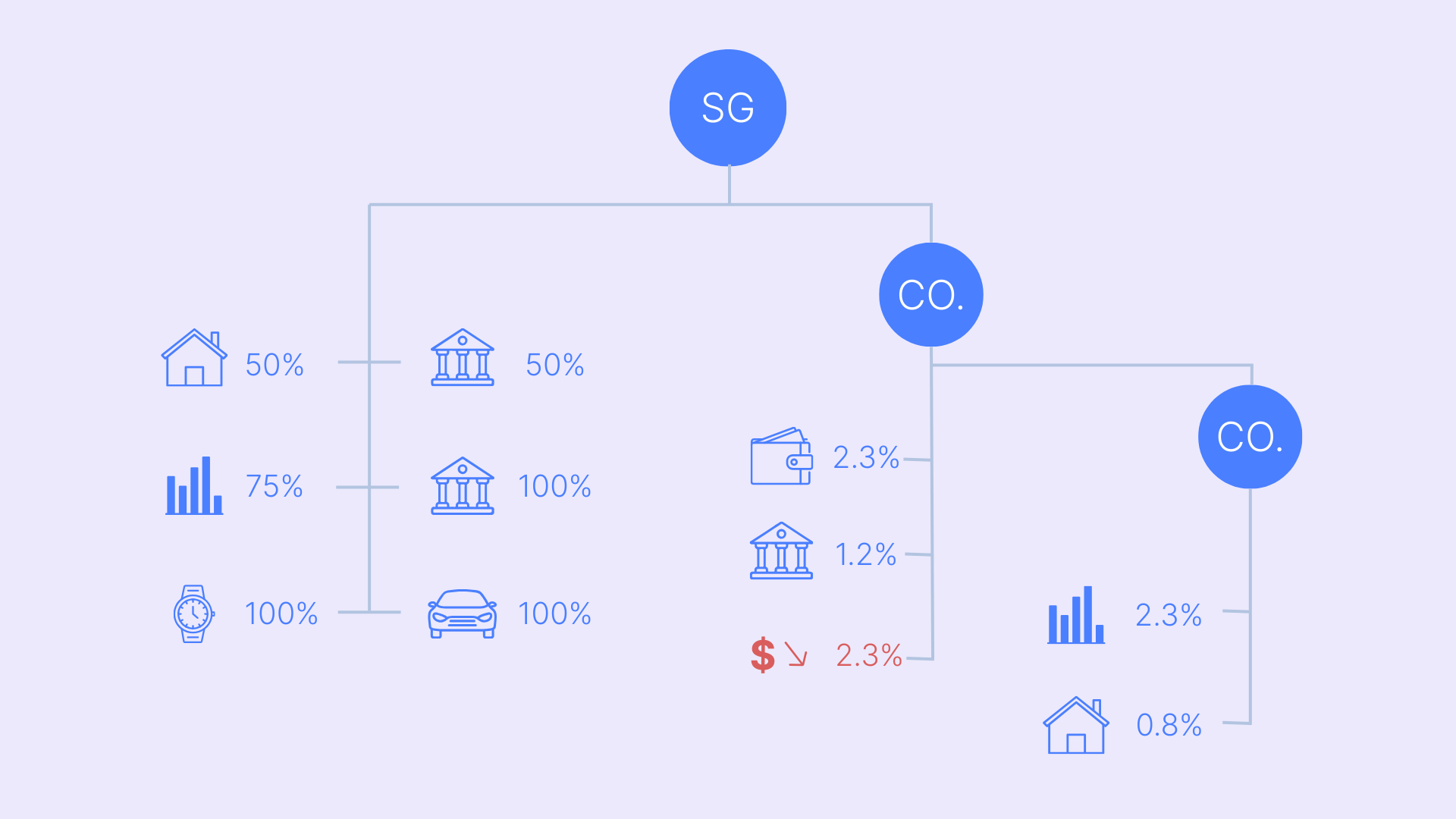
Map your complete ownership structure. Which trust holds founder shares? Which family members have direct holdings versus ownership through holding companies?Ownership/entity mapping explains this visualization. For liquidity events, proceeds must flow back through this structure.
Deliverable: A timely owner-level dashboard showing current positions, cash available, and obligations that proceeds must cover.
2. Document Hygiene Before Diligence
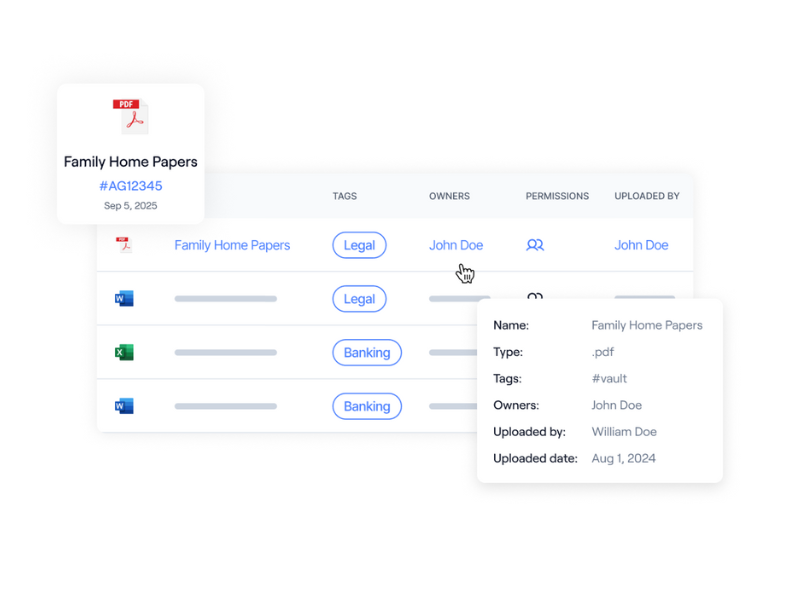
Store everything in one secure platform:
- Equity plan documents
- Limited Partnership Agreements (LPAs)
- Side letters
- Cap table extracts
- Share Purchase Agreement drafts
- Tax opinions
Tag by type, entity, and transaction. Link key clauses to affected holdings.
The importance of cybersecurity for family offices becomes critical here. Proper information security and access controls protect sensitive deal documents during high-stakes transactions.
Deliverable: A searchable dossier that answers questions from investment banks and counsel, and allows you to pull up documents in seconds.
3. Cap Table and Tranche Fidelity
Reconcile your internal lot-level records against the company cap table and ensure each lot’s basis and acquisition date are correct.
Calculate the basis correctly:
- Founder shares might be pennies
- Purchased preferred is what you paid
- Option exercises may create a basis equal to the exercise price plus any compensation income recognised
Flag mismatches against the company cap tables and resolve them early.
Deliverable: Positions that roll correctly into post-close reporting with an accurate basis supporting gain calculations.
4. Cash Forecasting For Closings, Escrows, and Taxes
Track consideration structure: 70% cash at close, 20% in escrow releasing over 18 months, 10% in stock, plus potential earn-outs. Map escrow release schedules. Track earn-out measurement periods and thresholds.
Plan for tax obligations. In many structures, gains are recognised at closing even if some proceeds sit in escrow, but timing can vary based on escrow terms and tax treatment. Make sure to confirm with tax advisors. Estimate federal and state liabilities. Export a rolling 12-18 month liquidity plan (shorter or longer depending on obligations and redeployment timeline)showing expected inflows against obligations.
Deliverable: Clear visibility into when cash lands and what it must cover.
5. FX and Home-Currency View
Define your home currency for reporting (typically USD for US families). Calculate all cash flows, positions, and valuations in consistent home-currency terms. Separate FX impact as its own performance component (local return vs FX vs total return).
Deliverable: Consistent numbers for boards and advisors across currencies, eliminating FX confusion.
6. Performance Clarity Around the Event
Calculate Time-Weighted Return (TWR) for liquid holdings. Compute an investment-level IRR using all tranche cash flows (and optionally show lot-level realised/unrealised results for tax and governance clarity).
Build a monthly movement bridge, breaking performance into flows, valuation changes, FX impact, corporate actions, fees, and other adjustments.
Deliverable: A saved review-flags view that shows how you did. Document the complete investment journey from initial commitment through exit.
7. Governance, Roles, and Thresholds
Document decision rights: investment authority, distribution authority, governance authority. Set signatory thresholds and approval thresholds appropriate to your governance model (by entity, account type, transaction risk, and amount). Define escalation paths and backup decision-makers.
Template key tasks:
- Reviewing deal documents
- Approving tax elections
- Confirming proceeds receipt
- Updating ownership charts
Assign owners and due dates.
Deliverable: Clear approvals routing handled in your external process, but tracked for cadence. Decisions happen quickly without confusion.
8. Scenario Notes For Cash vs Stock Outcomes
Document analysis behind cash versus stock decisions:
"If we take 80% cash: pros include immediate liquidity, tax certainty, and diversification ability. Cons include potentially missing upside if the acquiring company performs well."
Link price assumptions and tax modeling showing different immediate tax liabilities for various cash/stock mixes.
Deliverable: Side-by-side outcomes that speed go/no-go choices with documented rationale.
9. Evidence Beside Numbers
Link Share Purchase Agreements, board minutes, tax opinions, and closing statements to specific holdings and report lines. When your report shows "$12.3M in escrow," the escrow agreement should be one click away.
Deliverable: "Docs at hand" from any position or report view. Never hunt through email when someone questions a number.
10. Scheduled Reporting That People Read
Save standard owner snapshots showing positions, proceeds received, amounts in escrow, earn-out potential, and tax obligations. Build event-specific reports:
- Pre-close positions
- At-close conversions
- T+30 tracking
- T+90 ongoing developments
Schedule exports for advisors automatically. Automate report generation where appropriate, with secure delivery controls (approval steps, portal access) in consistent formats, regular cadence, and in appropriate detail. Finally, add a short assumptions note to each report (price sources/dates, FX rates/dates, recognition timing) so the numbers reconcile quickly.
Deliverable: Predictable outputs for principals, banks, and counsel without constant ad-hoc requests.
11. Next-Gen Communication and Access
Export plain-language summaries:
"Our family owned 12% of Company X. We sold for $120M: $84M cash at close, $24M in escrow, $12M in stock. This represents 15.2% IRR over eight years from our $32M initial investment."
Provide mobile access with multi-factor authentication (MFA), role-based permissions, and (where possible) device management policies. Include a one-page glossary of key terms (escrow, lock-up, basis, earn-out) so everyone can follow the numbers and language. Use this as financial education for younger family members.
Deliverable: Informed participation without inbox sprawl. Family members understand what's happening, building financial acumen.
12. Post-Event Roll-Forward
Store final proceeds detail: cash amounts by entity, stock positions with basis, escrow balances with release schedules, and earnout potential with measurement criteria. Capture transaction fees affecting IRR calculations.
The new stock basis depends on the exchange's tax structure (often a carryover basis with adjustments for any cash/boot). Confirm basis allocation and holding-period rules with tax advisors. Update realized/unrealized gains. Re-map exposures reflecting new portfolio structure.
Deliverable: Clean transition from event day to steady-state reporting. The first post-close monthly report accurately reflects the current reality.
What to Stabilize After the Liquidity Event
- Cash consolidation: Proceeds landed in multiple accounts. Consider deposit insurance limits (e.g., FDIC in the US) and bank concentration risk; evaluate sweeps or multi-bank structures where appropriate.
- New custody relationships: Establish appropriate banking and custody/brokerage relationships for holding and deploying proceeds. Set up automated data aggregation from new custodians immediately.
- Exposure remapping: Create new family office dashboards reflecting changed allocations. Monitor any single-stock concentration from acquiring company shares.
- First owner snapshot: Save a post-event, owner-level view showing cash, new positions (incl. any single-stock), escrow balances, and upcoming release dates.
- Updated policies: Revise your investment policy statement for the new wealth structure. Your portfolio may become temporarily more liquid post-close, requiring an interim (tactical) allocation plan until the long-term strategy is updated.
- Tax and estate planning: Work with advisors on estimated tax payments covering capital gains. Review trust structures and gifting strategies reflecting the transformed financial circumstances.
Planning for a Liquidity Event with Asora
The twelve-step playbook requires operational infrastructure. Here's how Asora supports families through liquidity events:
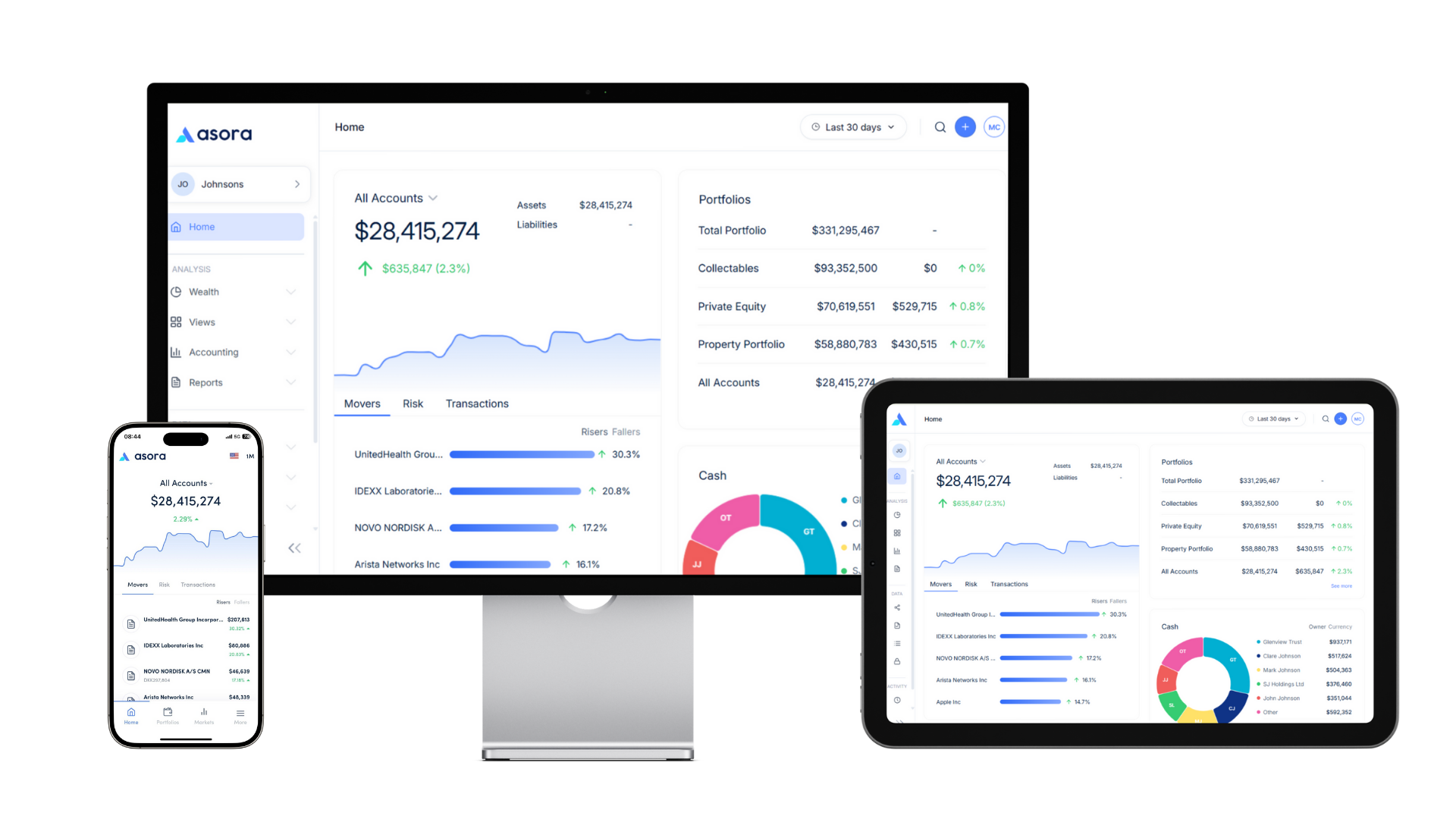
- Data Aggregation: Connect bank and custodian feeds. Store standardized transactions (buys, sells, contributions, distributions, fees (including management/performance fees where applicable), dividends, interest) with dates, settlement status, and currencies. Track pre-close positions, at-close conversions, and escrow movements.
- Wealth Map: Chart ownership across trusts, SPVs, and holdcos. Link the company's assets to entities and ultimate owners, showing exactly where proceeds land.
- Private Assets: Track commitments, calls, distributions, and valuations. Link LPAs and side letters. Private assets infrastructure supports pre-transaction positions and post-liquidity reinvestment.
- Performance Monitoring: Calculate TWR at portfolio and owner levels. Compute IRR including pooled IRR across multiple tranches. Monthly movement bridges explain returns from investment through exit.
- Accounting: Maintain cost basis, lot tracking, and realized/unrealized gains. Period alignment ensures basis changes and exchanges roll forward correctly.
- Documents: Secure vault for SPAs, equity plans, tax opinions, and closing statements. Link documents to holdings and report lines. Enable secure external upload with custom tagging.
- Workflows: Create and assign tasks for closings, filings, escrow tracking, and earnout monitoring. Assign owners, set due dates, and capture reviewer notes.
- Reporting: Liquidity dashboards with on-demand exports for advisors for timely updates.
- Mobile with MFA: Secure access to holdings, closing tasks, and notes while traveling using the same saved views as desktop.
The benefits of using family office software become obvious during liquidity events when coordination demands peak. Choosing the right family office tool means finding platforms that handle both routine wealth management and exceptional events.
Put the Playbook to Work
Start with Asora wherever possible; if you are still in spreadsheets, mirror the same steps so migration is straightforward later.
Phase 1 (T-180 to T-90): aggregate data and map ownership
- In Asora, connect bank, brokerage, and custodian feeds; load equity data (grants, vesting, exercise prices).
- Build the ownership graph across entities, trusts, and SPVs.
- If off-platform, create a master positions sheet and an ownership map aligned to Asora’s import templates.
Phase 2 (T-90 to T-60): assemble the diligence dossier and pre-close views
- In Asora, organise and link deal documents; create saved report views for proceeds scenarios; build cash forecasts that include tax.
- If off-platform, mirror this with a locked “Diligence” folder plus a scenario tab and a cash-flow tab with strict versioning.
Phase 3 (Close to T+30): roll forward and publish owner snapshots
- In Asora, reconfigure the portfolio, run the roll-forward to set new opening balances, and issue owner statements and the first post-close monthly baseline.
- If off-platform, lock a pre-close snapshot, roll forward with closing adjustments, and produce PDF owner snapshots with a change log.
Implement the core infrastructure 6–18 months before a liquidity event so the team can operate in a steady state before activity intensifies.
Operating standards (apply throughout)
- Maintain lot-level fidelity and link documents to the exact positions they support.
- Use clear version control and keep a minimal change log for audit.
- This section provides operational guidance, not legal or tax advice.
Request a demo to see how Asora supports families through liquidity events. We'll walk through your specific situation and show you how the platform provides infrastructure for successful exits and smooth transitions.
FAQ
What are the most common types of liquidity events?
Common paths include initial public offerings, direct listings, mergers and acquisitions, SPAC mergers, secondary transactions such as tenders, and dividend recapitalizations or share buybacks that create partial liquidity. Families invested in private equity funds may receive liquidity through distributions driven by portfolio company exits or fund-level secondary transactions.
How should family offices prepare operationally for a liquidity event?
Aggregate multi-bank and custodian data in one system, organize equity plans and agreements, keep cap-table and lot-level basis accurate, forecast cash including escrows and taxes, and set a reporting cadence for pre-close, at-close, and post-close views. Asora helps families gain control of operations by linking documents to specific positions, mapping ownership across entities, tracking proceeds and FX, and producing owner-level dashboards that support investment strategy, diligence, and often reducing manual reconciliation effort and operational overhead. Engage professional advice for governance and compliance.
How do liquidity events affect tax strategy for family offices?
They can trigger taxes when gains are realized, so families should track holding periods, keep basis documentation, plan for estimated payments, and use lot identification when selling tranches. Work with advisors on cross-border issues, stock-for-stock components, and other careful considerations, and align the plan with the family’s broader investment strategy and post-event asset allocation.

.png)
 ISO 27001 Certified
 GDPR Compliant